


Morgan & Morgan Mobile
Morgan & Morgan PLLC
When a legal case is already in progress, waiting for an update can be more stressful than the paperwork itself. Morgan & Morgan Mobile is built for one focused task: letting clients check the status of a Morgan & Morgan case while away from a computer. I found that narrow purpose both useful and limiting. It is not a general legal research tool, a document editor, or a way to compare attorneys. It is a client-facing business app for people who are already connected with Morgan & Morgan PLLC and want a more convenient way to follow their case.
That distinction matters before downloading it. If you are an existing client, the app can put case information closer at hand when you are commuting, at work, or simply trying to avoid another phone call for a basic progress check. If you are looking for a lawyer, trying to understand a legal issue, or managing a matter with another firm, it is unlikely to become part of your daily routine. My overall view is positive for the right audience, but the right audience is quite specific.
What I looked for before recommending it
I judged this app by the standards that matter for a case-status companion rather than by the standards used for a full productivity app. The important questions are straightforward: can a client reach relevant case information without unnecessary friction, does the app make sense alongside ordinary communication with a legal team, and is it worth installing when the same information might be available through a browser, email, or phone call?
Trust is another important part of the decision. A case-status app deals with a sensitive subject, so I would not treat it like a casual shopping or news app. I would use the official Morgan & Morgan connection, keep my device protected, and avoid checking case details on a shared phone. Those are practical habits rather than special features, but they make a meaningful difference when the information relates to an injury claim, dispute, or another personal legal matter.
The app comes from Morgan & Morgan PLLC and sits in the Business category. It is free to download, carries a Teen content rating, and supports devices running Android 7.0 or later. Its current version is 4.31.1, so users with older phones should check compatibility before planning around it. The free price is welcome, although it should not be confused with a promise that legal services themselves are free; the app is simply the digital access point for clients.
Related News

Why WhatsApp Messenger Still Makes Everyday Communication Feel Easy

Jurassic World: The Game Is the Better Dino Tycoon for Strategic Players

Threads in Real Life: Who Should Join, Lurk, or Leave

How SHEIN Turned Shopping Into an Endless Content Feed

How to Make Fortnite Feel Smarter on Mobile

Should You Switch to Microsoft Outlook on Mobile?
Public reception is unusually strong for a specialized client tool: it holds a 4.9 average from around 4.7 thousand ratings, with over 100 thousand installs. I see that as encouraging evidence that the basic experience meets a real need, not as a reason to assume every case or device will behave identically. A high rating can tell me that many people find the app useful, but it cannot replace asking a case representative when a legal decision is urgent.
The best everyday scenario
Imagine that I am working a full day and remember that I need to check whether my case has moved forward. Calling during business hours may be inconvenient, and sending a message for a simple status question may create extra back-and-forth. With the app installed, I can open the client experience, review the available case status, and return to my day. That is the kind of small convenience that gives this product its value.
A second useful scenario is preparing for a conversation with the legal team. Before calling, I can review the status shown in the app and make a short list of questions that are actually relevant. This can make the conversation more focused. It also helps separate a routine request for an update from a situation that needs direct attention, although I would still contact the firm rather than relying on an app screen when a deadline or urgent decision is involved.
Gallery
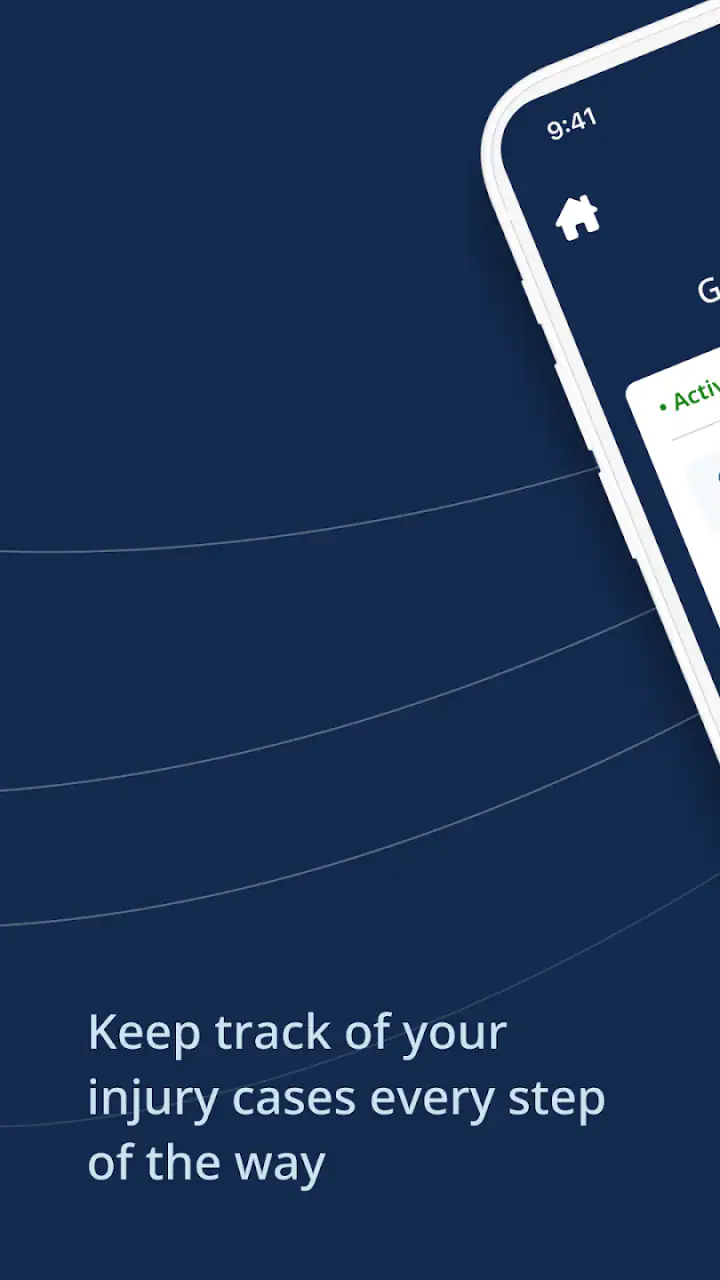
I also like the idea of using it as a quick reference between larger updates. Legal cases can move slowly, and clients may not need a long explanation every time they want to remember where things stand. A dedicated status view is easier to revisit than searching through old email threads. That is a concrete advantage over ordinary inbox management, especially when messages are mixed with unrelated work and personal correspondence.
Where the focused design works well
The strongest part of Morgan & Morgan Mobile is its purpose. It does not ask me to turn a general-purpose service into a case tracker through folders, labels, or manual notes. The app is associated with the firm handling the matter, so the experience is naturally more direct than keeping a private spreadsheet or relying on memory.
That focus also makes it approachable for people who are not comfortable with legal technology. A client should not need to understand case-management software to look for a status update. In my view, this is more valuable than a long list of advanced tools that would make a simple check feel like administrative work.
Another strength is continuity. A browser is useful when I am already at a computer, but a mobile app fits the moments when I have only my phone. I can check while waiting for an appointment or during a break without opening a desktop session. The benefit is not dramatic in a single use; it comes from removing a little friction each time I need to look.
The app’s popularity also makes it easier to recommend within its intended audience. A free client app with a high average rating and a substantial install base feels less experimental than an obscure utility with no visible adoption. Still, I would keep expectations realistic: a case-status tool can show progress, but it cannot make a case move faster or turn a status label into legal advice.
Three practical habits that improve the experience
First, I would install and sign in before I actually need an update. Setting it up during a calm moment is better than trying to solve access questions when I am anxious about a case. I would also make sure the contact details connected with the matter are current, because a mobile status tool is only useful when it is associated with the correct client information.
Second, I would treat the status as a conversation starter rather than a complete explanation. If the app shows that a matter has not visibly changed, that does not automatically mean nothing is happening behind the scenes. Legal work can involve preparation, review, negotiation, and waiting on other parties. I would use the displayed information to frame a clear question for the legal team instead of drawing a conclusion from a short label.
Third, I would use the app alongside a simple personal record of important conversations. The app is convenient for checking the current case view, while my own notes can preserve the date of a call, the name of a contact, and any follow-up I was asked to complete. That combination is stronger than either approach alone. The app reduces the effort of checking; personal notes help me remember what was discussed.
A fourth habit is to review the app after receiving a direct message from the firm, not instead of reading that message. If an attorney or case representative gives specific instructions, those instructions should take priority over a general status display. This is one of the most important trade-offs: convenience is useful, but a status screen is not a substitute for individualized communication.
How it compares with the usual alternatives
When a mobile app is better than email
Email is familiar and often contains more context, but it is not always the quickest way to answer a simple “where does my case stand?” question. Messages can be buried, threads can become confusing, and searching for the latest update can take longer than opening a dedicated client tool. For repeated status checks, I prefer the app’s focused approach.
Email remains better when I need a written explanation, need to attach information, or want a detailed record of a conversation. I would not replace those uses with Morgan & Morgan Mobile. The sensible workflow is to use the app for a quick view and email for matters that need fuller communication, provided that email is an approved contact method for the case.
When a phone call is still the better choice
A phone call wins whenever the status raises concern or the issue is time-sensitive. If I need to understand a settlement decision, respond to a request, clarify a deadline, or explain a change in circumstances, I would speak with the appropriate legal contact. An app can reduce unnecessary calls, but it should not discourage necessary ones.
Phone communication is also more suitable for clients who find mobile navigation difficult or who need to explain a complicated situation in their own words. The app is an option, not an obligation. A person should not feel that installing it is required in order to receive attention from the firm.
When a browser or general notes app may fit better
A browser-based client portal can be the better choice for someone who works mainly on a laptop, prefers a larger screen, or needs to manage several documents in one sitting. A notes app may be useful for personal reminders, but it cannot replace a connected case view. I see these tools as complementary rather than direct substitutes.
For clients with multiple legal matters, the decision becomes more complicated. A dedicated Morgan & Morgan tool may be convenient for the matter handled by that firm, while a broader personal system may be better for keeping appointments, questions, and records from several sources together. I would not expect one focused app to become a universal legal organizer.
Who should skip the download
I would skip it if my case is not with Morgan & Morgan PLLC, if I only want general legal information, or if I am searching for a new attorney. The app’s value depends on an existing relationship with the firm. Downloading it without that connection is unlikely to solve the problem I actually have.
I would also hesitate if I use a device older than the supported Android requirement, share my phone with other people, or dislike handling sensitive information on a mobile device. In those situations, a direct conversation or a computer-based route may feel safer and more practical. The free download does not remove the need to consider privacy, device access, and personal comfort.
What switching really costs
Moving from email or phone checks to a dedicated app is not financially difficult because the app itself is free. The real cost is behavioral: installing another app, learning its access flow, remembering to keep it available, and deciding which channel to use for which question. For someone who checks a case only once, that setup may not be worthwhile.
For someone who repeatedly wants a quick status view, the small setup effort can pay off quickly. I would make the switch gradually rather than abandoning existing communication habits immediately. Keep important emails and phone contacts, install the app, confirm that it shows the expected case connection, and then use it for routine checks. This avoids the mistake of treating a new convenience tool as the only route to support.
There is also a mental cost to checking too often. A case-status app can make it tempting to refresh repeatedly, especially when a person is worried. I would choose a sensible checking routine and contact the firm when I need interpretation. The app should reduce uncertainty, not turn waiting into a constant notification habit.
Questions I would settle before relying on it
I would first confirm how the app relates to my specific case. If I cannot see the expected matter after completing the normal access process, I would contact Morgan & Morgan directly rather than creating multiple accounts or guessing at information. A mismatch is a support issue, not something to solve through repeated attempts.
I would also establish which updates appear in the app and which arrive through direct communication. The safest assumption is that important instructions may require a call, message, or document from the legal team. The app is most useful as a convenient view of progress, not as a guarantee that every meaningful development will be explained there first.
Another practical question is what to do when the displayed status seems old or unclear. My approach would be to note what I see, check whether I have missed a recent message, and then ask a precise question. For example, instead of saying only that nothing has changed, I would ask whether there is a next action expected from me. That wording turns a vague concern into something a representative can answer efficiently.
Finally, I would decide in advance how I want to protect access. I would use the device’s normal lock, avoid leaving the app open where someone else can view it, and be cautious on shared or public devices. These steps are especially sensible for a legal case, regardless of which mobile tool I choose.
My recommendation for the right client
I recommend Morgan & Morgan Mobile to existing Morgan & Morgan clients who want a convenient way to check case status from an Android phone. Its free access, focused purpose, and strong user reception make it an easy app to try when routine updates are otherwise handled through scattered messages or repeated calls. I especially see the value for people who are often away from a computer and want a quick reference during the day.
I would not recommend treating it as a replacement for a lawyer, a case representative, email, or a phone conversation. The app can help me see where a matter stands, but it cannot provide the personal explanation that complicated legal situations require. My preferred setup is simple: use the app for routine visibility, keep direct contact details available, save important messages, and ask the firm when a status needs interpretation.
For that narrow but genuine need, Morgan & Morgan Mobile is a sensible companion rather than an all-purpose legal platform. The decision comes down to the relationship behind the app. If Morgan & Morgan is handling your case, the convenience is likely worth the small setup effort. If you are not a client, or if your main need is legal advice and document management, I would choose a different route and keep this app off my phone.
My final advice is to install it before the next update becomes urgent, explore the client view calmly, and decide how it fits with your existing communication routine. Used that way, it can remove needless friction without creating false confidence. The best reason to use it is not that it replaces communication, but that it makes routine case checking easier while leaving important decisions in the hands of the legal team.
FAQs for Morgan & Morgan Mobile
What is Morgan & Morgan Mobile used for?
Morgan & Morgan Mobile is designed to help clients and potential clients connect with the Morgan & Morgan law firm from a smartphone. Depending on your location and case type, you may be able to request a consultation, submit information about an incident, communicate with the firm, review case-related updates, and access useful legal resources. It is primarily a client-support and intake tool, not a replacement for personalized legal advice from an attorney.
Can I use the app to start a personal injury claim?
The app may allow you to provide details about an accident, injury, or another legal matter so the firm can evaluate whether it may be able to help. Submitting information does not automatically mean that Morgan & Morgan accepts your case or that an attorney-client relationship has been created. You should provide accurate information, keep copies of important documents, and carefully read any notices explaining how your submission will be handled.
Is Morgan & Morgan Mobile free to download and use?
The application is generally available as a free download, although normal mobile data charges may apply if you use it over cellular service. Downloading or submitting an inquiry through the app does not necessarily mean that every legal service is free. Fees, contingency arrangements, eligibility requirements, and other conditions can vary by case and jurisdiction, so review the firm’s agreement and speak with a qualified representative before relying on any fee-related assumptions.
Is my personal and legal information secure in the app?
Because the app may collect sensitive information about accidents, injuries, medical treatment, insurance, or other legal matters, privacy is an important consideration before using it. Review the current privacy policy, terms of use, and any consent screens before submitting information. Use a secure connection, keep your device protected with a passcode or biometric lock, and avoid entering confidential details on a shared or compromised device.
Does using the app provide immediate legal advice or emergency assistance?
Morgan & Morgan Mobile should not be treated as an emergency service or a guaranteed real-time legal advice channel. Response times can vary, and sending a message or completing an intake form may not preserve a deadline or stop a statute of limitations from running. If you are facing an urgent medical, safety, or legal situation, contact emergency services or a licensed attorney directly and confirm when the firm has received your request.
Pros
- Free access to legal information and case-related resources
- Easy way to request a consultation from a mobile device
- Helpful updates can keep users informed about their case
- Clean interface makes key contact options easy to find
- Useful for locating Morgan & Morgan offices and services
Cons
- Availability and features may vary by state or case type
- Not a replacement for personalized advice from an attorney
- Some users may receive marketing or case-related notifications
- Case updates depend on information supplied by the firm
- The app may have limited value for people outside its service area


